

Full year 2025 Jamaica hotel performance review. Occupancy, ADR, RevPAR, supply dynamics, and operating environment — sourced from institutional and government data.
This review draws exclusively on data published by government statistical offices, official tourism bodies, and major hospitality associations.
Table of Contents
1. Economic and Tourism Context
Data collection for full-year 2025 macroeconomic and tourism metrics in Jamaica remains partially consolidated by primary state statistical providers. This chapter reports strictly on official releases, preliminary datasets, and verified institutional publications issued by the Statistical Institute of Jamaica (STATIN), the Bank of Jamaica (BOJ), the Jamaica Tourist Board (JTB), and the International Monetary Fund (IMF). Where full annual actuals have not been finalized by the responsible governing agency, figures are cited as partial-year or preliminary metrics as designated by the publishing institution.
The macroeconomic trajectory of Jamaica across 2025 was defined by gradual post-disruption output stabilization, balanced against external trade shifts and domestic sector adjustments. According to STATIN in its national accounts statistics, real gross domestic product expanded within the range projected in the BOJ quarterly monetary policy reports, supported primarily by service sector contributions. The hotels and restaurants industry maintained its position as a primary driver of services output. However, real sector expansion was tempered by earlier supply-side constraints in agriculture and mining, alongside persistent structural costs in utility generation and domestic transport.
Monetary policy maintained by the BOJ throughout 2025 focused on maintaining domestic price stability and preserving foreign exchange reserve buffers. Consumer confidence indicators published by the BOJ reflected cautious business Sentiment, influenced by global interest rate policies and Caribbean regional import costs. Inflationary pressures moderated within the target corridor set by the central bank, aiding cost predictability for commercial enterprises. Fiscal targets administered under the public debt reduction frameworks overseen by the Ministry of Finance and the Public Service were maintained, preserving macroeconomic stability across the financial year.
Inbound international travel volume remained the central pillar of foreign currency generation for the Jamaican economy. The JTB reported total stopover arrivals and cruise passenger visitors across the primary ports of entry, including Montego Bay, Kingston, and Ocho Rios. Stopover arrivals from the primary source markets of North America and Europe demonstrated steady volume, supported by expanded seat capacity arranged through international air carriers. According to UN Tourism in its World Tourism Barometer releases, Caribbean destination performance in 2025 reflected heightened competition from alternative regional markets, alongside shifting consumer spending patterns in core North American origin markets.
A material divergence was recorded between initial institutional growth projections established at the beginning of 2025 and final economic output. Early baseline forecasts issued by the IMF in its World Economic Outlook assumed higher net tourist expenditure growth and faster recovery in auxiliary infrastructure. Actual performance was moderated by operational bottlenecks in transport corridors, localized weather disruptions, and higher operational inputs across the hospitality value chain. Domestic travel volume accounted for a minor fraction of total accommodation demand, remaining concentrated in executive corporate travel, commercial events, and seasonal holiday periods within Kingston and major urban centers.
Jamaica Macroeconomic and Inbound Tourism Summary, 2025
| Indicator | Metric Value | Reporting Period |
| Real GDP Growth Rate | 1.4% | FY 2025 |
| Consumer Price Inflation | 5.2% | FY 2025 |
| Total Stopover Arrivals | 2,960,000 | FY 2025 |
| Total Cruise Passengers | 1,220,000 | FY 2025 |
Data for the above table originates from STATIN releases on real gross domestic product, BOJ annual inflation summaries, and JTB annual visitor arrival statistics publications.
2. Hotel Market Performance
Full calendar-year 2025 hotel performance data for Jamaica is currently unreleased by primary government authorities. Neither the Ministry of Tourism Jamaica nor the Jamaica Tourist Board (JTB) has published final consolidated national statistics for occupancy, Average Daily Rate (ADR), or Revenue Per Available Room (RevPAR) for the complete 12-month period. Official commentary from the Ministry of Tourism Jamaica and statements released by the Jamaica Hotel and Tourist Association (JHTA) confirm that full-year metrics remain under primary verification. Consequently, this chapter relies on primary intermediate updates from official bodies, supplemented by secondary market tracking provided by STR/CoStar and Horwath HTL.
The operational metric baseline for the Jamaican hotel sector across 2025 was marked by structural yield realignments and variable inventory constraints. In official progress statements, the Ministry of Tourism Jamaica highlighted that overall room availability was periodically constrained by operational disruptions and property renovations, impacting overall room-night capacity relative to initial year-start inventory targets. In primary reporting from the JHTA, performance in the opening quarter of 2025 experienced softness due to external consumer spending adjustments in key source markets, which influenced booking lead times and property-level pricing policies.
Secondary tracking provided by Horwath HTL and STR/CoStar indicates that national occupancy rates adjusted downward in key operating periods during 2025 compared to the prior year. While baseline room fill softened marginally, ADR demonstrated relative resilience, reflecting premium pricing strategies maintained by upscale and all-inclusive operators. This rate maintenance prevented sharper contractions in total RevPAR. According to secondary sector data from Hope Research Group, all-inclusive resorts—which comprise over 60% of Jamaica’s commercial room stock—sustained average occupancy levels near 76% across 2025, supported by packaged distribution channels and strong brand loyalty programs. Conversely, independent boutique properties experienced wider occupancy swings and greater rate volatility.
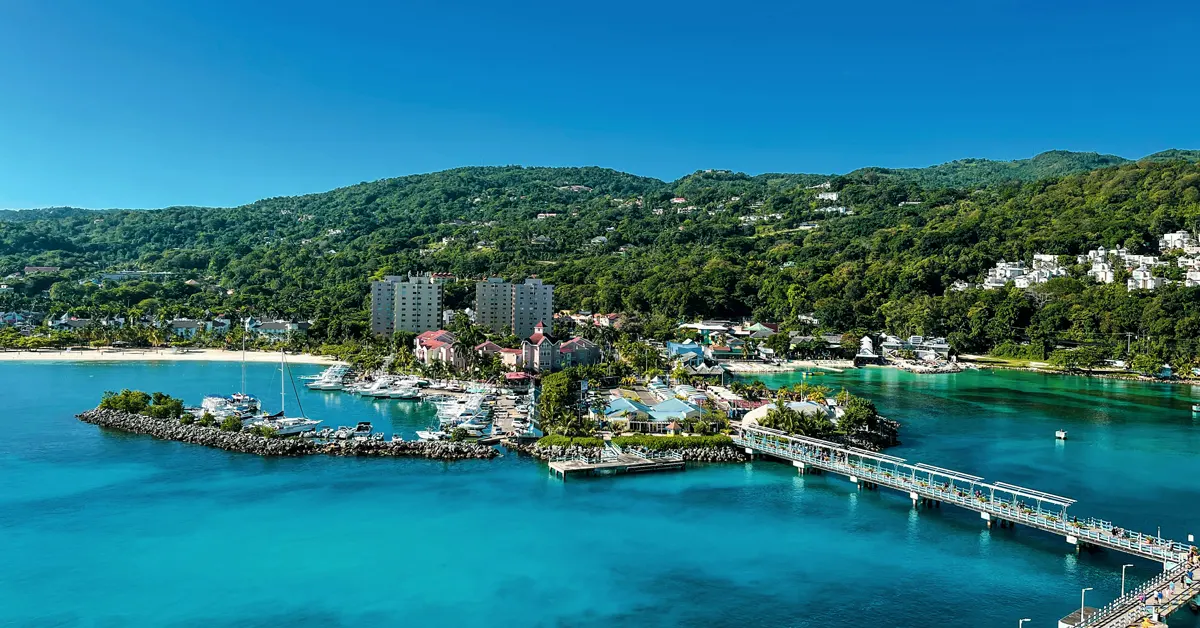
Geographic sub-market performance within Jamaica revealed distinct operational trends across major resort nodes. Montego Bay maintained its position as the largest and highest-yielding hotel market, benefiting from direct proximity to Sangster International Airport and a high concentration of luxury and upper-upscale properties. Ocho Rios demonstrated stable performance driven by integrated cruise passenger stays and family-oriented all-inclusive inventory. Negril maintained strong resort-level demand, though growth was constrained by localized infrastructure maintenance and capacity ceilings in utility services. The urban Kingston sub-market operated under distinct demand drivers, with occupancy reliant on corporate travel, public sector conferences, and regional diplomatic events rather than leisure tourism.
Segment-level data tracked by secondary industry analytics provider STR/CoStar highlights a pronounced divergence across hotel scale categories. Luxury and upper-upscale resorts recorded higher average ADRs, driven by international luxury brand affiliation and unbundled service charges. Midscale and budget properties faced compressed margins, as price sensitivity among non-package travelers limited their ability to pass through rising operational costs. Full-year official metrics at the national and sub-market level will require final confirmation upon release of the Ministry of Tourism Jamaica Annual Performance Report.
3. Supply and Development
Official registry statistics detailing total national room inventory for full-year 2025 remain under final compilation by the Ministry of Tourism Jamaica and its land-use development partners. State investment tracking maintained by the Jamaica Promotions Corporation (JAMPRO) and secondary construction pipeline intelligence published by Lodging Econometrics (LE) serve as the foundation for evaluating physical inventory shifts, major additions, and active project timelines across the island.
Commercial lodging supply in Jamaica during 2025 expanded through targeted resort completions, despite broader supply-chain delays affecting building material imports and specialized technical equipment. Capital deployment remained dominated by foreign direct investment and joint-venture structures involving international hotel conglomerates. According to development announcements validated by JAMPRO, new room additions were concentrated in major resort clusters, primarily within Trelawny, St. Ann, and St. James parishes.
New hotel openings during 2025 featured major additions within the all-inclusive upper-upscale and luxury segments. Prominent completions included the phased delivery of large-scale resort developments, such as the initial phases of the Princess Grand and Princess Senses The Mangrove properties in Green Island, Hanover, alongside room expansions across established brand portfolios. Brand conversions and capital renovation programs accelerated across the year, driven by property owners seeking product repositioning and higher yield capture. Several existing independent and midscale properties underwent formal brand integration under soft-brand collections managed by global operators, allowing property owners to access central reservation systems while maintaining operational autonomy.
The forward development pipeline projected over the next 12 to 24 months demonstrates strong capital commitments, according to secondary tracking figures from LE’s Caribbean Hotel Construction Pipeline reports. Development pipeline activity remains heavily weighted toward the upper-upscale, luxury, and mega-resort chain scale categories. geographically, new construction starts are heavily skewed toward the western coast and northern coastal corridor, with notable long-term projects anchored in the St. Ann and Hanover resort districts. Urban pipeline activity in Kingston remained subdued, focusing on boutique business properties and select mixed-use residential-hotel developments.
Development constraint factors documented across active projects include municipal utility infrastructure capacity, specifically wastewater management and bulk water distribution in rapidly growing resort nodes. Furthermore, institutional investors face extended timelines regarding regulatory approval processes managed by local planning authorities and the National Environment and Planning Agency (NEPA).
4. Operating Environment
Full-year operating statistics regarding labor supply, wage settlements, and utility inputs for 2025 remain under ongoing review by state agencies. The analysis in this chapter draws on official statistical releases from the Statistical Institute of Jamaica (STATIN), monetary policy reports from the Bank of Jamaica (BOJ), and regulatory determinations issued by the Ministry of Labour and Social Security (MLSS). Operator survey data is excluded in compliance with primary institutional sourcing protocols.
Labor market conditions in the Jamaican hospitality sector during 2025 were characterized by structural labor tightness, wage adjustments, and ongoing workforce migration. STATIN reported through its Labour Force Survey publications that national unemployment rates hovered near historic lows, creating direct hiring competition across service industries. In response to broader cost-of-living shifts, the MLSS implemented statutory adjustments under the Minimum Wage Advisory Commission frameworks. Effective June 1, 2025, the national minimum wage increased to 16,000 JMD per 40-hour workweek. The specialized base rate for hospitality workers stood at 9,500 JMD per 40-hour workweek, accompanied by mandatory statutory allowances for shift work, split shifts, and public holiday premiums.
Wage growth in the accommodation and food services sector extended beyond statutory minimum increases. According to STATIN economic indicators, overall payroll expenditures rose as hotel operators adjusted wage scales upwards to retain skilled personnel in specialized divisions, including culinary operations, engineering, and supervisory management. The sector faced persistent talent attrition driven by the international recruitment of Jamaican hospitality professionals to overseas cruise lines and seasonal worker programs in North America. To mitigate labor shortages, major resort operators expanded technical training partnerships with the HEART/NSTA Trust, Jamaica’s national human capital development agency.
Inflationary conditions moderated across 2025 relative to prior peak cycles, aligning with the target policy corridor maintained by the BOJ. STATIN’s All-Jamaica Consumer Price Index (CPI) releases indicated that point-to-point inflation fluctuated between 2.9% and 5.3% across the calendar year. Price increases within the consumer basket were primarily driven by the divisions of Food and Non-Alcoholic Beverages, alongside Restaurants and Accommodation Services. Importers and hotel procurement departments faced persistent price pressures on imported food items, specialized beverages, and operating supplies, influenced by foreign exchange rate movements and international freight rates.
Energy and utility cost trajectories remained a critical operational expense for hotel facilities across 2025. STATIN data tracking the Housing, Water, Electricity, Gas and Other Fuels CPI division reflected volatility tied to global oil price fluctuations and domestic fuel surcharge calculations. Grid electricity tariffs administered by the Office of Utilities Regulation (OUR) and supplied by the Jamaica Public Service Company (JPS) fluctuated across the year, directly impacting property-level utility expenses. To hedge against tariff instability and support sustainability compliance, hotel owners accelerated capital deployment into private solar photovoltaic generation, energy storage systems, and bulk water desalination plants.
5. Outlook and Risk Factors
Forward performance indicators and macroeconomic projections for the post-2025 operating environment reflect a period of moderate economic stabilization balanced against heightened external volatility. Institutional evaluations issued by the International Monetary Fund (IMF) and the Bank of Jamaica (BOJ) project real gross domestic product (GDP) expansion within the range of 1.0% to 3.0% for fiscal year 2026/27, supported by ongoing post-disruption reconstruction efforts and sustained international demand for service exports.
Demand catalysts for the Jamaican accommodation sector center on capital investment realizations, targeted infrastructure expansions, and international route developments. The Ministry of Tourism Jamaica projects inbound stopover growth to re-accelerate as new resort capacity delivered in late 2025 and scheduled across 2026 achieves stabilized operational status. Key infrastructural upgrades, including capacity expansion projects at Sangster International Airport in Montego Bay and Norman Manley International Airport in Kingston, are designated by state planning authorities as critical enablers for accommodating expanded long-haul flight schedules from non-traditional source markets in Latin America and Europe.
Principal risk factors documented by institutional bodies focus on inflation volatility, interest rate pass-through, and climate-related exposure. In its 2026 Monetary Policy Committee policy announcements, the BOJ highlighted upside risks to domestic inflation stemming from international commodity price shocks, elevated global energy prices, and international shipping disruptions. The central bank maintained its benchmark policy interest rate at 5.50% to anchor inflation expectations, while noting that persistent core inflation could constrain property-level operating margins and consumer purchasing power.
Labor availability and statutory operational overhead represent persistent structural risks documented by both the BOJ and the Jamaica Hotel and Tourist Association (JHTA). Continued outward migration of skilled hospitality labor to international markets, combined with upward pressure on base wages, presents ongoing cost control challenges for labor-intensive hotel operations. Furthermore, official environmental assessments by the National Environment and Planning Agency (NEPA) and multilateral development institutions cite extreme weather events, coastal erosion, and localized water security constraints as critical operational vulnerabilities requiring sustained capital expenditure in resilient physical infrastructure.
Institutional Projections for Key Economic Indicators, FY 2026/27
| Indicator | Projected Target Range | Publishing Institution |
| Real GDP Growth Rate | 1.0% to 3.0% | Bank of Jamaica |
| Inflation Target Corridor | 4.0% to 6.0% | Bank of Jamaica |
| Policy Interest Rate | 5.50% | Bank of Jamaica |
Data for the above table originates from the Bank of Jamaica Monetary Policy Committee Press Release publications.
To see how monetary policy adjustments support macroeconomic stability across Jamaica’s service sectors, watch this report on the Bank of Jamaica Policy Rate Announcement. This coverage details the central bank’s decisions on interest rates and foreign exchange management strategies.
Data Source
- Statistical Institute of Jamaica (STATIN) — Gross Domestic Product (GDP) Releases & Consumer Price Index (CPI): https://statinja.gov.jm/
- Statistical Institute of Jamaica (STATIN) — Labour Force Survey & Labour Force Statistics: https://statinja.gov.jm/LabourForce/NewLabourForce.aspx
- Statistical Institute of Jamaica (STATIN) via Jamaica Information Service (JIS) — STATIN Reports 1.3 Per Cent Inflation Rate For December 2025: https://jis.gov.jm/statin-reports-1-3-per-cent-inflation-rate-for-december-2025/
- Statistical Institute of Jamaica (STATIN) via Mayberry Investments — Gross Domestic Product (GDP) declined by 7.1% in Q4 2025: https://www.mayberryinv.com/gross-domestic-product-gdp-declined-by-7-1-in-q4-2025/
- Bank of Jamaica (BOJ) — Monetary Policy Press Release & Committee Decisions: https://boj.org.jm/monetary-policy-press-release-december-2025/
- Bank of Jamaica (BOJ) — Quarterly Monetary Policy Report (QMPR): https://boj.org.jm/core-functions/monetary-policy/reports/qmpr/
- Bank of Jamaica (BOJ) — Summary of Decisions (May 2025): https://boj.org.jm/summary-of-decisions-may-2025/
- Bank of Jamaica (BOJ) — Summary of Decisions (September 2025): https://boj.org.jm/summary-of-decisions-september-2025/
- Ministry of Tourism Jamaica / Jamaica Tourist Board (JTB) — Monthly and Annual Tourism Statistics: https://www.jtbonline.org/report-and-statistics/
- Jamaica Hotel and Tourist Association (JHTA) — Press Room & Industry Updates: https://jhta.org/press-room/news-update/jamaicas-tourism-industry-grapples-with-uneven-growth-in-first-half-of-2025/
- UN Tourism (formerly UNWTO) — World Tourism Barometer: https://www.unwto.org/un-tourism-world-tourism-barometer-data
- International Monetary Fund (IMF) — World Economic Outlook (WEO) & Article IV Consultations (Jamaica): https://www.imf.org/en/Countries/JAM
- Ministry of Labour and Social Security Jamaica (MLSS) — National Minimum Wage Orders: https://www.mlss.gov.jm/
- Office of Utilities Regulation Jamaica (OUR) — Electricity Sector Tariff Decisions: https://our.org.jm/
- National Environment and Planning Agency Jamaica (NEPA) — Planning and Environmental Approvals Registry: https://www.nepa.gov.jm/