


A hotel morning briefing is a short daily meeting where department heads review arrivals, occupancy, priorities, and operational issues to keep teams aligned.
Table of Contents
1. What is the Morning Briefing in a Hotel
The Morning Briefing is a pivotal daily meeting in a hotel or resort setting, typically presided over by the General Manager (GM) and attended by department heads and key staff members. This ritual gathering serves as the cornerstone of the day, ensuring that all departments are aligned and prepared to deliver exceptional guest experiences. It is an opportunity for the entire team to come together, reinforcing the collaborative spirit essential for smooth operations and high service standards.
During the briefing, key performance indicators and essential figures are shared by the relevant departments. For instance, the Front Office might announce room occupancy rates, while other departments provide updates on revenue, guest satisfaction scores, and any significant events. This information allows each Head of Department (HOD) to understand the current business landscape and make informed decisions throughout the day. The exchange of this vital data ensures that everyone is on the same page and can coordinate efforts effectively.
The Morning Briefing also provides a platform for HODs to voice any concerns from the previous day or address ongoing issues. This open forum encourages dialogue and collaboration, fostering a sense of shared responsibility among team members. It is also an opportunity for departments to confront challenges directly and devise solutions collectively, ensuring that any obstacles are addressed promptly. Additionally, guest feedback and incidents from the previous day are discussed, allowing the team to learn from past experiences and continuously improve service delivery.
Under the leadership of the GM, the briefing serves as a moment to instill a sense of direction and collaboration across the entire team. The GM can highlight specific issues that require attention or share plans for future initiatives, setting the tone and priorities for the day. This moment of unity helps align the team with the hotel’s strategic goals, ensuring that every department works cohesively towards common objectives. Through this structured and focused meeting, the Morning Briefing plays a critical role in driving the hotel’s success and maintaining a culture of excellence.
2. Purpose of the Morning Briefing
– Coordination and Communication
The primary purpose of the Morning Briefing is to facilitate effective communication across all departments. It ensures that team members are informed about the day’s priorities, upcoming events, and any issues that need attention. This communication is essential for maintaining seamless operations and delivering consistent guest experiences.
For example, if a large group booking is scheduled to arrive, the Front Office, Housekeeping, and Food & Beverage departments need to coordinate their efforts to ensure a smooth check-in and satisfactory service delivery. The briefing allows each department to share pertinent information, ensuring that everyone is aware of their roles and responsibilities in handling such events.
– Review of Daily Operations
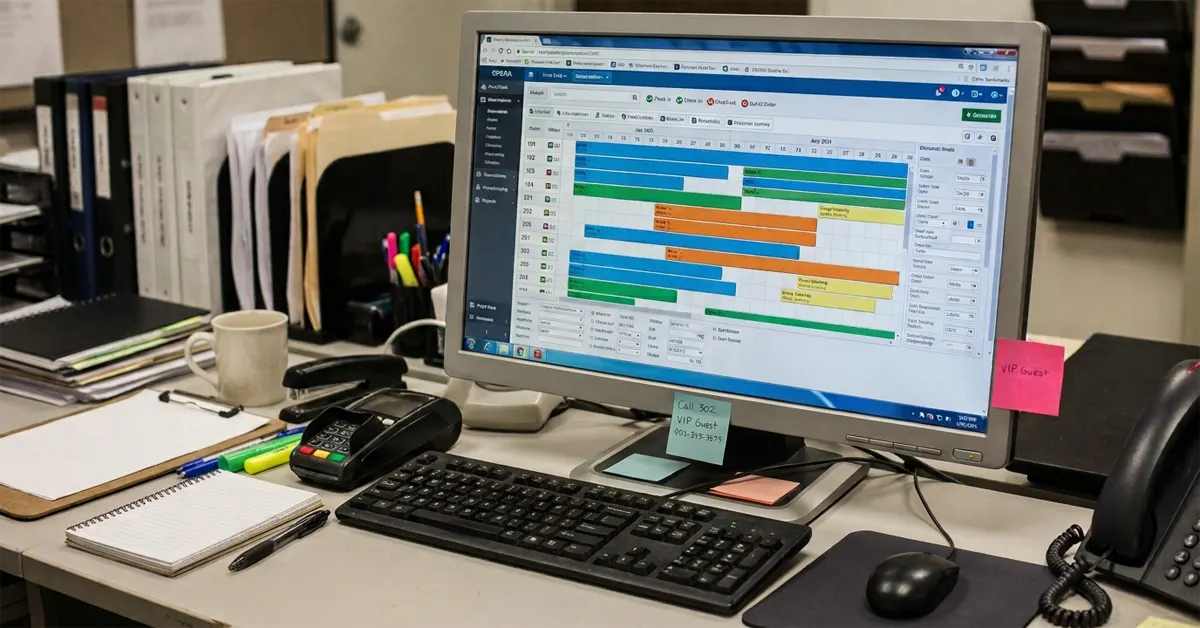
The meeting is also used to review the status of current operations, including occupancy levels, VIP arrivals and departures, special requests, and any other critical information impacting guest experience. For instance, the Front Office might report a 95% occupancy rate for the day, prompting discussions on optimizing room allocation and staff scheduling to handle the increased demand. This review process allows department heads to anticipate and prepare for potential challenges, ensuring that service standards remain high even during busy periods.
– Problem-Solving
Another key purpose of the Morning Briefing is problem-solving. It provides a forum for identifying and addressing operational challenges or potential problems before they escalate. By encouraging open dialogue and collaboration, the briefing helps foster a proactive management approach.
For example, if the maintenance department identifies an issue with the HVAC system in a section of the hotel, they can immediately inform the relevant departments and devise a plan to address the problem, minimizing disruption to guests. This proactive stance enhances service quality and guest satisfaction by preventing minor issues from becoming major disruptions.
– Alignment with Strategic Goals
Finally, the Morning Briefing aligns team efforts with the hotel’s strategic goals and objectives. The General Manager plays a crucial role in setting the tone for the day, emphasizing the importance of each department’s role in achieving these targets. The GM might highlight specific initiatives, such as an upcoming marketing campaign or a new service offering, to ensure that all departments are aligned and working towards the same objectives.
This alignment not only helps achieve operational efficiency but also fosters a sense of unity and shared purpose among team members, contributing to the hotel’s overall success. By clearly communicating goals and expectations, the briefing empowers team members to contribute effectively to the hotel’s long-term vision.
3. Key Components of the Morning Briefing
– Daily Occupancy and Revenue Forecast
During the Morning Briefing, the front office and revenue management teams present key data on daily occupancy rates, room revenue figures, and Revenue per Available Room (RevPAR). This information is crucial for understanding how the hotel is progressing against its budget and identifying expected occupancy levels for the current day and upcoming days. Such insights enable departments to prepare accordingly, whether the forecast indicates a slow-paced operation or an intense period of activity.
For example, a higher occupancy forecast might signal an increased demand for breakfast service, room turnover, and amenities consumption, while also impacting staffing needs across various departments. By sharing this information, department heads can coordinate efforts and allocate resources efficiently, ensuring the hotel is well-prepared to deliver seamless service and meet guest expectations.
– Guest Feedback and Issues
Guest feedback from the previous day is a key component of the Morning Briefing. During this time, the team reviews and communicates relevant guest feedback and reported incidents to ensure all department heads are informed of any service issues or concerns that have arisen. The primary purpose is to share this information across departments so that each Head of Department (HOD) is aware of any recurring problems or specific incidents that might impact their area of responsibility.
This dissemination ensures that all relevant parties are notified of potential issues and can take note of the feedback. Detailed planning and discussions on how to address these issues are scheduled for later meetings or follow-ups, but the Morning Briefing serves as an essential tool for ensuring that everyone is up-to-date and prepared to act on the feedback as needed.
– Events and Functions
Scheduled events, meetings, and banquets are discussed during the briefing to ensure seamless execution. Departments such as banqueting, housekeeping, and food and beverage coordinate their efforts to meet client expectations and deliver exceptional service. This discussion ensures that all logistical aspects are covered, from setup and catering to staffing and equipment. By addressing potential challenges and confirming details, the team can deliver flawless events that enhance the hotel’s reputation and drive repeat business.
– Human Resources Updates
The Morning Briefing includes a review of staffing levels and scheduling to ensure appropriate coverage based on expected occupancy and special events. While the briefing itself does not delve into detailed scheduling adjustments or specific staffing issues, it provides a forum for the human resources department to update the team on general HR matters affecting staff. This may include announcements about bonus payments, maintenance of staff locker rooms, upcoming staff parties, or recurring issues such as canteen management or staff entrance problems.
These HR updates are intended to keep department heads informed of broader staffing-related developments that may impact their operations indirectly. Detailed discussions about staffing adjustments or responses to absenteeism are typically handled in separate, more focused meetings or through direct communication with relevant departments.
– VIP Arrivals and Departures
The Morning Briefing identifies VIP guests as well as travel agents, tour operators, and corporate account representatives who may be visiting or staying at the property for site inspections or familiarization (FAM) trips. For VIP guests, the briefing discusses personalized services or special arrangements required to exceed their expectations. Similarly, for travel and tour representatives, and corporate account contacts, the team reviews any specific needs or preferences they might have and coordinates across departments to ensure a high-quality experience.
This attention to detail ensures that all high-profile or influential visitors feel valued and receive exceptional service, enhancing their overall experience and fostering loyalty. By preparing in advance for these arrivals and departures, the team can deliver a seamless, personalized service that not only meets but surpasses expectations, further differentiating the hotel from competitors and strengthening business relationships.
– Maintenance and Safety
The briefing covers any ongoing or scheduled maintenance work, ensuring that all departments are aware of potential disruptions. The engineering team discusses safety protocols and any incidents that occurred, reinforcing the importance of health and safety compliance. By maintaining open communication about maintenance and safety, the team can minimize the impact on guests and ensure a safe and comfortable environment. This proactive approach to maintenance and safety is essential for protecting the hotel’s assets and reputation.
Typical Hotel Morning Briefing Agenda
Agenda Item Purpose Occupancy & forecast Expected business levels Arrivals & departures Guest flow VIP guests Special attention required Groups & events Operational coordination Guest feedback Outstanding issues Maintenance Ongoing work Staffing Coverage and absences Revenue highlights ADR, RevPAR, pickup Safety & security Incidents or risks Department announcements Important updates
4. Benefits of an Effective Morning Briefing
– Enhanced Collaboration
An effective Morning Briefing brings together leaders from various departments, fostering a culture of collaboration and enhancing interdepartmental communication. By uniting department heads and key staff in a structured setting, the briefing encourages the sharing of insights and information that might otherwise remain siloed.
This collaborative approach ensures that all departments are aligned with the hotel’s daily objectives and can work together towards common goals. It also builds a stronger team dynamic, where members understand the broader context of their roles and how their efforts contribute to overall success. Such enhanced collaboration is crucial for addressing complex issues that span multiple departments and for fostering a unified approach to guest service.
– Proactive Management
The Morning Briefing plays a key role in proactive management by identifying potential issues before they become significant problems. Through the daily review of operations, feedback, and performance metrics, the team can spot trends and emerging concerns early on. This early identification allows for the development of strategies to address issues in a timely manner, preventing them from escalating and impacting guest satisfaction.
By fostering a proactive mindset, the briefing helps the hotel maintain high standards of service and operational excellence. It also encourages a culture of continuous improvement, where potential challenges are addressed constructively and solutions are implemented efficiently.
– Improved Guest Experience
Clear communication and alignment achieved through the Morning Briefing directly contribute to an improved guest experience. When all departments are aware of the day’s priorities, special guest requests, and any operational changes, they can deliver a more seamless and personalized service. This coordination ensures that guests’ needs are met promptly and effectively, enhancing their overall experience.
Additionally, addressing any issues or concerns reported from previous days ensures that recurring problems are resolved, further elevating the guest experience. A well-informed and synchronized team is better equipped to anticipate and exceed guest expectations, leading to higher satisfaction and loyalty.
– Operational Efficiency
Streamlining communication and coordination through the Morning Briefing significantly enhances operational efficiency. By consolidating key updates and decisions into a single, focused meeting, the briefing reduces the need for ad-hoc communications and minimizes the risk of misalignment between departments. This efficient exchange of information helps the hotel run smoothly by ensuring that all departments are on the same page and that resources are allocated effectively. Moreover, addressing staffing needs, operational challenges, and maintenance issues in advance allows for better planning and resource management, further contributing to overall operational efficiency.
– Enhanced Decision-Making
An effective Morning Briefing improves decision-making by providing a comprehensive overview of the hotel’s operational status and performance metrics. With all relevant information and department heads present, decisions can be made more quickly and with greater confidence. This consolidated approach ensures that decisions are informed by the latest data and insights from various departments, leading to more effective and timely actions. Enhanced decision-making capabilities contribute to better management of daily operations and a more agile response to any issues that arise.
– Strengthened Accountability
The Morning Briefing reinforces accountability by making each department head responsible for communicating their updates and addressing any concerns. This regular forum for sharing information and reporting progress helps ensure that responsibilities are clearly defined and that follow-up actions are tracked. By holding departments accountable for their performance and contributions, the briefing supports a culture of transparency and responsibility. This strengthened accountability drives better performance and helps maintain high standards across the hotel.
5. Best Practices for Conducting a Morning Briefing
– Manage Time Effectively
Effective time management is crucial for the success of a Morning Briefing. Keeping the briefing concise and focused ensures that it remains productive and respectful of everyone’s time. Ideally, the briefing should last no longer than 20–30 minutes. This time frame allows for a comprehensive review of key information without becoming cumbersome or losing momentum. To achieve this, the agenda should be strictly followed, and discussions should be kept on topic. Efficient time management helps maintain participant engagement and ensures that the briefing delivers maximum value without impeding daily operations.
– Prepare Thoroughly
Preparedness is a fundamental aspect of a successful Morning Briefing. All participants should come equipped with the necessary data and updates from their respective departments. This preparation includes reviewing performance metrics, guest feedback, and any operational issues that need to be addressed. Ensuring that everyone is well-prepared promotes a smooth flow of information and allows for meaningful discussions. It also helps in minimizing delays and avoiding the need for follow-up meetings to clarify points or gather missing information. A prepared team is better positioned to contribute effectively and make informed decisions during the briefing.
– Outline a Clear Agenda
A structured agenda is essential for guiding the Morning Briefing and ensuring that all key areas are covered. The agenda should outline the topics to be discussed, allocate time for each item, and establish a logical sequence for the meeting. This structure helps keep the discussion focused and prevents the meeting from deviating into unrelated topics. A clear agenda also allows participants to prepare in advance for specific discussion points, leading to more productive and efficient meetings. Additionally, distributing the agenda prior to the briefing ensures that everyone knows what to expect and can come prepared to address their respective topics.
– Follow Up Diligently
Follow-up is a critical component of the Morning Briefing process. It involves assigning clear action items and tracking progress on issues raised in previous briefings. At the end of each briefing, actionable tasks should be assigned to specific individuals or departments, with deadlines for completion. This ensures that any identified issues are addressed in a timely manner and that accountability is maintained.
Regular follow-up on these action items helps to track progress and ensures that improvements are implemented effectively. By systematically addressing previous concerns and reviewing action item status, the briefing process supports continuous improvement and operational excellence.
– Communicate Effectively
Effective communication during the Morning Briefing ensures that all participants understand the key points and action items discussed. This involves clear and concise presentation of information and actively encouraging questions and feedback. By fostering an open communication environment, participants can clarify any uncertainties and contribute their perspectives, which enhances the overall effectiveness of the briefing. Effective communication also involves summarizing key takeaways at the end of the meeting to reinforce understanding and ensure that everyone is aligned with the day’s objectives.
– Integrate Feedback
Incorporating feedback into the Morning Briefing process can significantly improve its effectiveness. Gathering feedback from participants about the briefing’s format, content, and timing helps identify areas for improvement and ensures that the briefing remains relevant and useful. This feedback can be used to adjust the agenda, improve time management, or enhance communication practices. By integrating feedback into the briefing process, the hotel can continuously refine its approach and better meet the needs of all participants, ultimately leading to more effective and efficient briefings.
6. Conclusion
The Morning Briefing is a vital component of hotel operations, serving as a key tool for effective communication, coordination, and proactive management. By adhering to best practices such as managing time effectively, preparing thoroughly, outlining a clear agenda, and following up diligently, hotels can enhance collaboration, improve decision-making, and optimize operational efficiency. Additionally, focusing on effective communication and integrating feedback ensures that the briefing remains productive and relevant. Ultimately, a well-conducted Morning Briefing aligns the team with daily objectives, addresses potential issues early, and supports an exceptional guest experience, contributing to the overall success of the hotel.